Why Regular Care Saves Energy
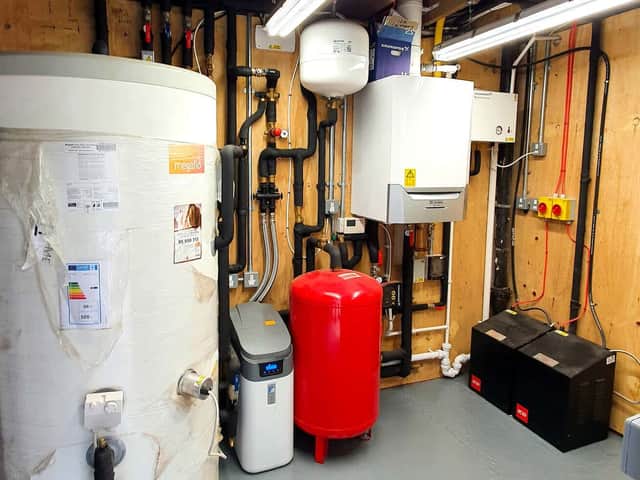
Limescale, sludge, trapped air and poorly performing components make the heat source work harder. Correct maintenance can lower energy bills, extend boiler life, improve evenness and reduce safety risks such as overheating or gas faults.
Service the Boiler Annually
An appropriately qualified specialist can clean the burner and heat exchanger, check system pressure and the circulation pump, and inspect temperature sensors and safety devices before small faults grow.
Bleed Radiators Correctly
Switch off and cool the heating, open the bleed valve until water appears without air, close it and then check system pressure. Air-free radiators circulate heat more evenly and reduce unnecessary boiler run time.
Keep the Pressure Stable
Many sealed systems operate around 1–2 bar when cold, subject to the appliance instructions. Persistently low or high pressure can reduce performance or indicate a defect, so do not keep topping up without finding the cause.
Clean Filters
Heating filters collect dirt and limescale that would otherwise restrict circulation. Check them at the interval recommended for the system — every few months in some installations.
Insulate Heating Pipes
Pipework through basements, balconies and unheated corridors loses useful heat. Suitable insulation keeps more energy in the water and helps protect exposed runs from low temperatures.
Use Smarter Controls
Programmable and smart thermostats can reduce the set point overnight or while the home is empty and restore comfort before occupants return, avoiding hours of unnecessary heating.
Improve the Building Envelope
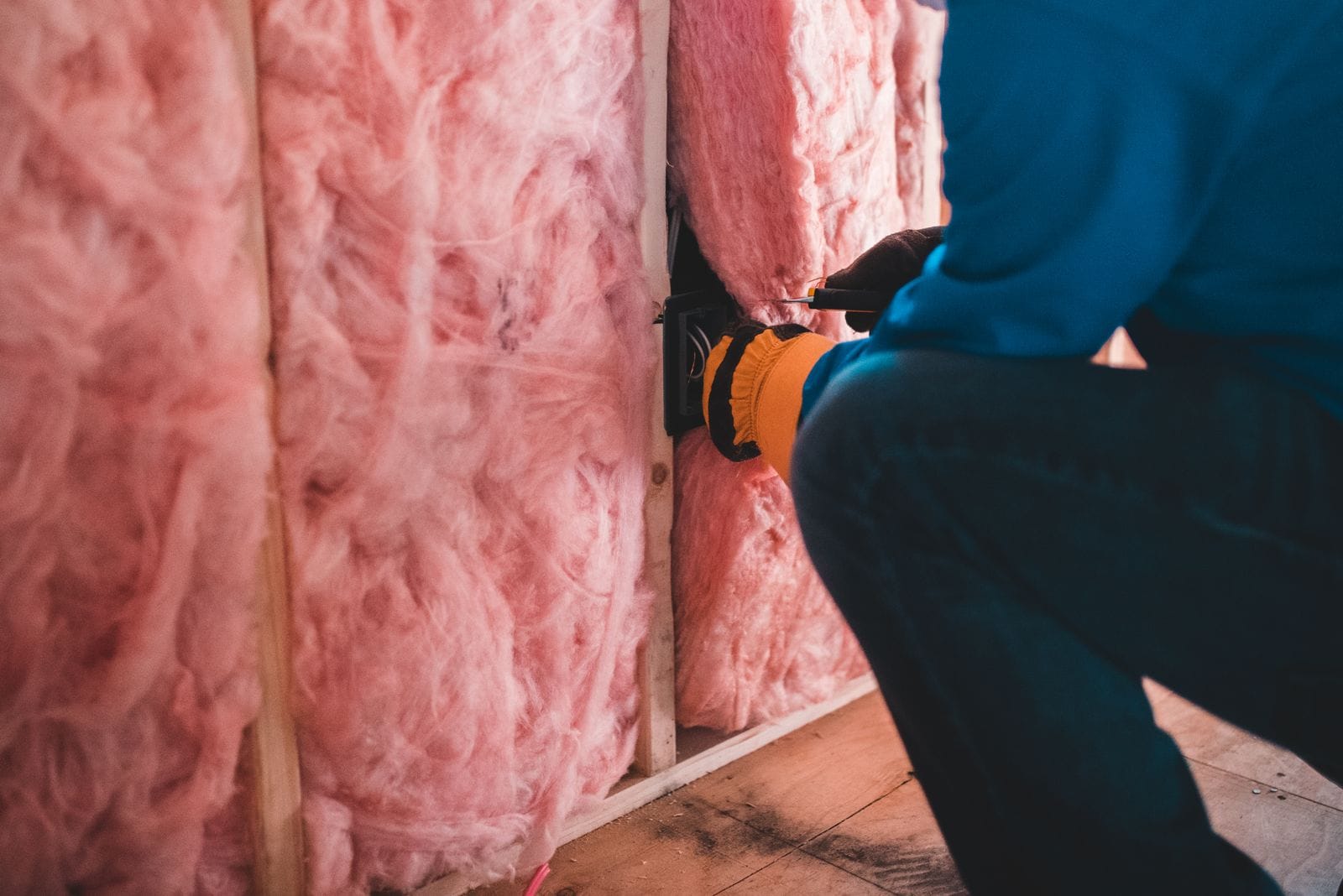
A heating system cannot compensate efficiently for large draughts and uninsulated walls. Seal doors and windows and improve insulation where practical so the heat you have paid for stays indoors.