Size for the Apartment and Hot Water
Floor area, insulation and glazing shape the space-heating demand, while the number of bathrooms and simultaneous taps shape hot-water performance. As a broad example, 18–24 kW suits many 50–70 m² apartments and 24–28 kW larger ones, but an actual heat-loss and hot-water assessment should determine the choice.
Check Fuel and Installation Space
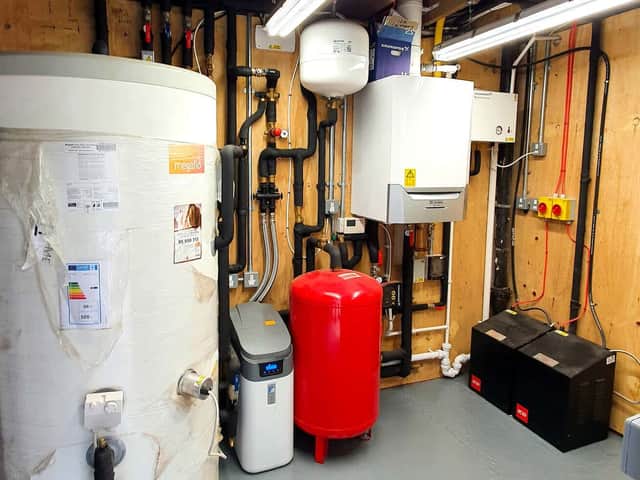
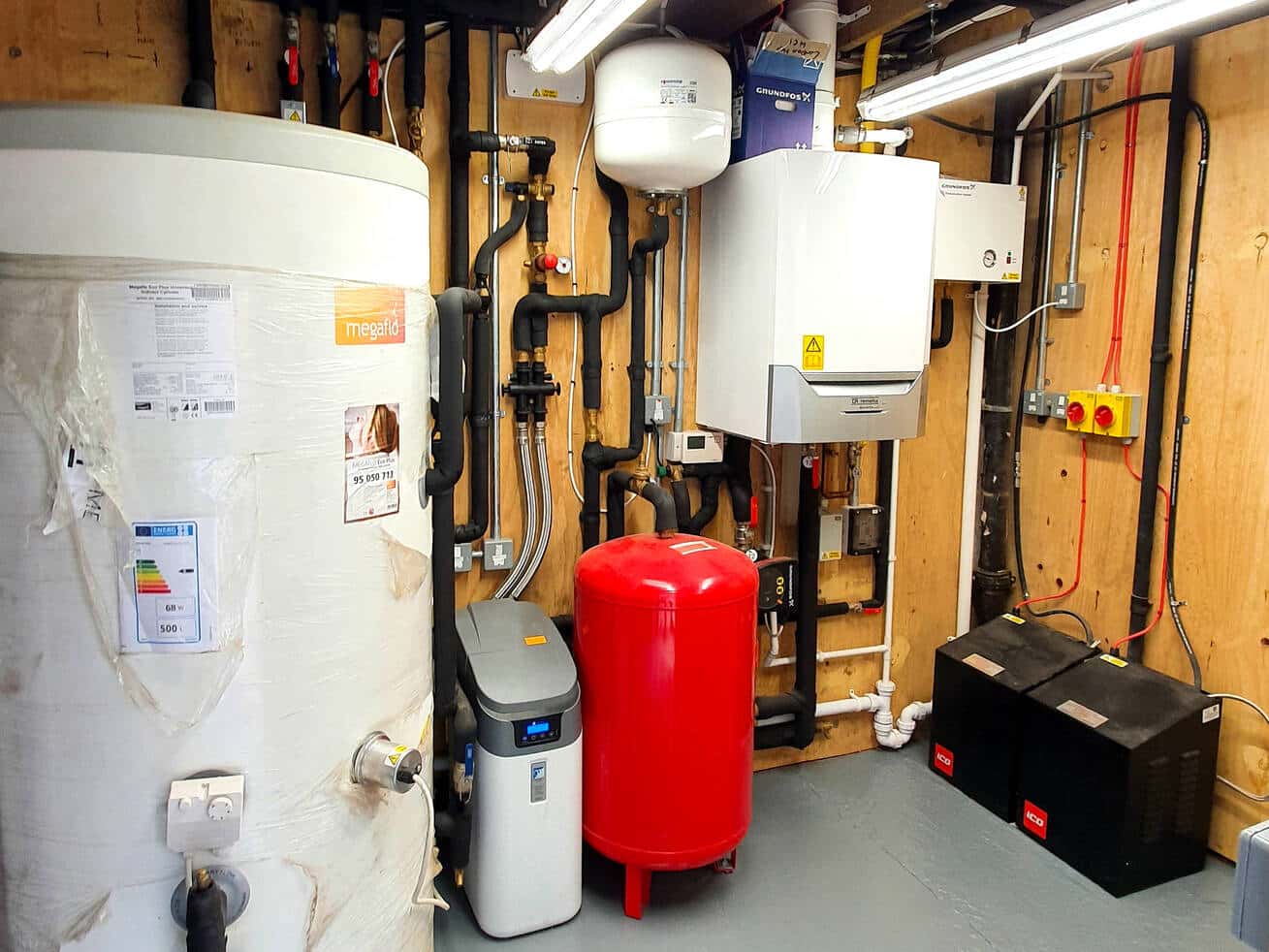
Gas is common where a compliant connection exists; electric boilers may suit properties without gas but can have high running costs. Wall-hung appliances conserve space in apartments, but the flue, condensate drain, ventilation, access and utility connections all need a compliant route.
Compare Boiler Types
Condensing gas boilers recover heat from exhaust gases and generally use less fuel than older conventional models. Electric boilers avoid an on-site gas connection but draw significant electricity. Wood or pellet boilers need fuel storage and are usually more practical in houses than apartments.
Why Condensing Is Often Preferred
Lower fuel use, reduced CO₂ emissions, lower-temperature operation and compatibility with underfloor heating make condensing appliances attractive when the system and controls allow them to condense effectively.
Look Beyond the Sticker Price
Compare the energy class, modulation and control options, manufacturer warranty, local service support and spare-parts availability. A cheaper purchase can cost more over its lifetime if it is inefficient or difficult to maintain.
Install and Maintain It Properly
Selection, gas work, flue design, commissioning and servicing belong with appropriately authorised professionals. Regular maintenance supports safe operation and protects the expected performance of the appliance.