The Main System Types
District heating produces heat centrally and distributes it through a network, especially to apartment blocks. Individual boilers use gas, electricity, solid fuel or renewable sources. Underfloor heating spreads heat through pipes below the floor, while electric convectors and fan heaters are simple options for small or supplementary spaces but may use more energy.
The Heat Source
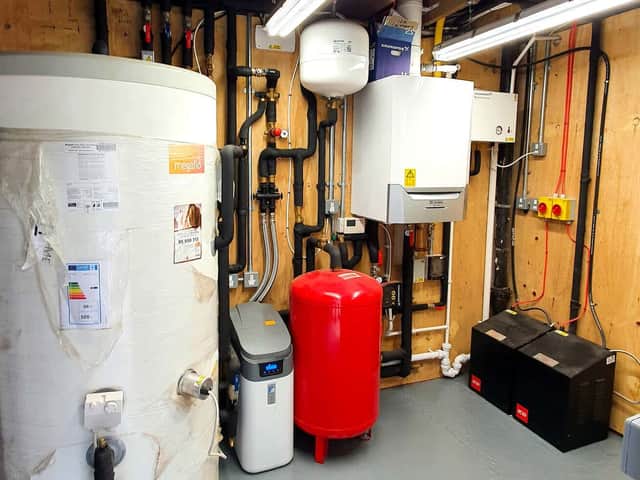
A boiler or other source converts fuel or electricity into heat. Some systems also produce domestic hot water. Solar collectors and heat pumps can form part of a renewable or hybrid arrangement.
The Emitters
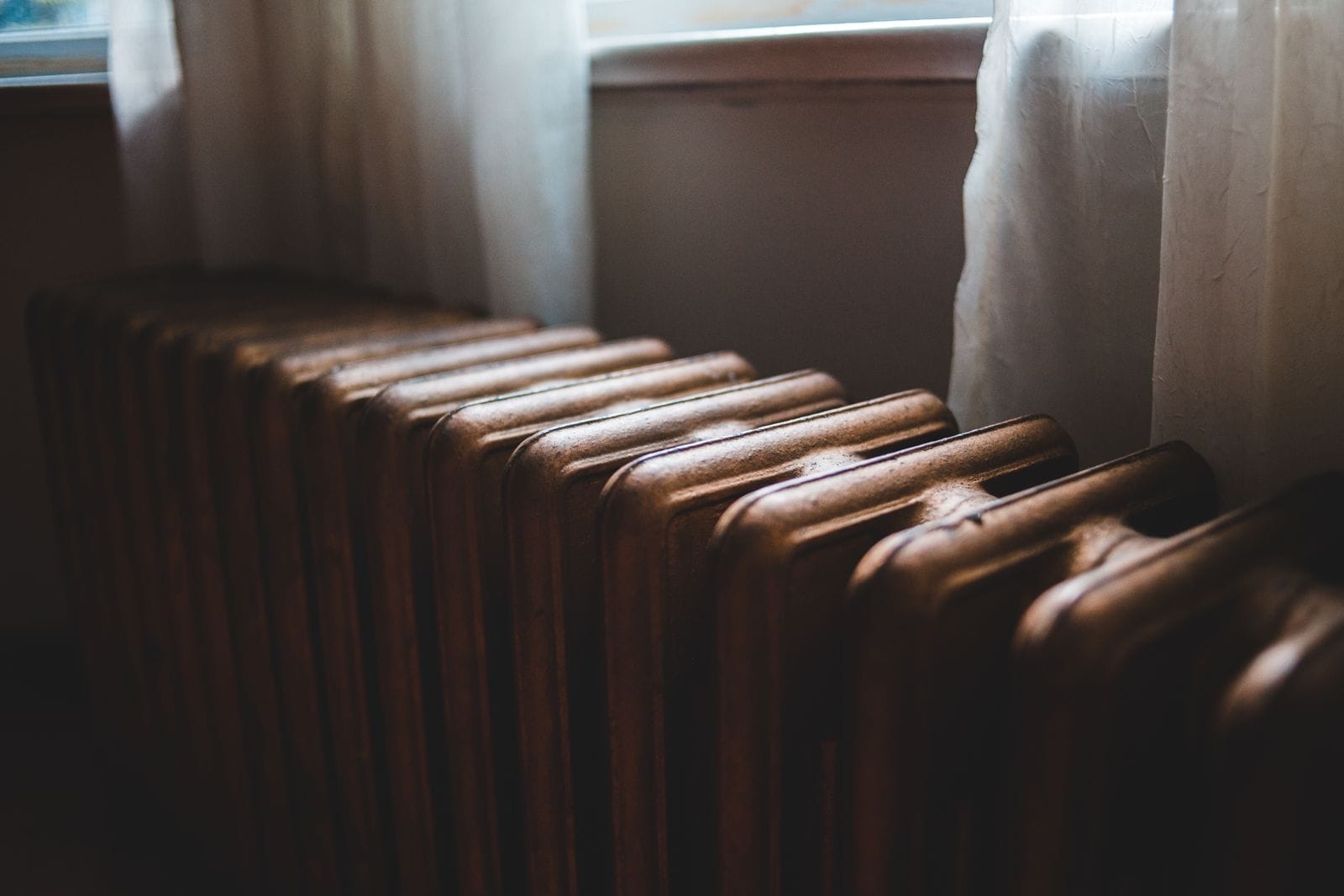
Radiators or underfloor loops transfer energy from hot water into the rooms. Their size, water temperature and balance determine how evenly the building heats.
Pipes and Circulation
Pipes carry the heated water or other heat-transfer medium to the emitters and return it to the source. A circulation pump keeps that loop moving at the required rate.
Controls
Thermostats, sensors, timers and smart controls decide when and where heat is needed. Modern controls can adapt schedules and, in some systems, respond to outdoor conditions to reduce waste.
The Cycle
The source heats the water, the pump moves it to radiators or underfloor circuits, the rooms receive the heat, and the cooler water returns to be heated again. That cycle repeats until the control is satisfied.
Routine Care
Periodic boiler cleaning and combustion checks, radiator bleeding, pressure monitoring and inspection of pipes and joints help keep the system safe, efficient and less likely to fail unexpectedly.