Plan It with the Architecture
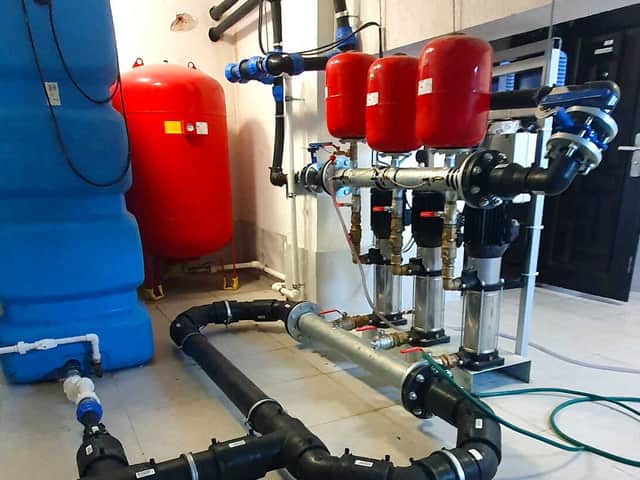
Plumbing should be designed alongside the house, not squeezed in after the rooms are fixed. Map the areas and fixtures to be served, keep routes logical, and estimate how many people may use water at the same time so pipe sizes and pressure are appropriate.
Check the incoming pressure, intended hot-water temperature, and the water’s pH and hardness. Those conditions influence equipment selection and which materials will resist corrosion and limescale over time.
Choose Materials as a Complete System
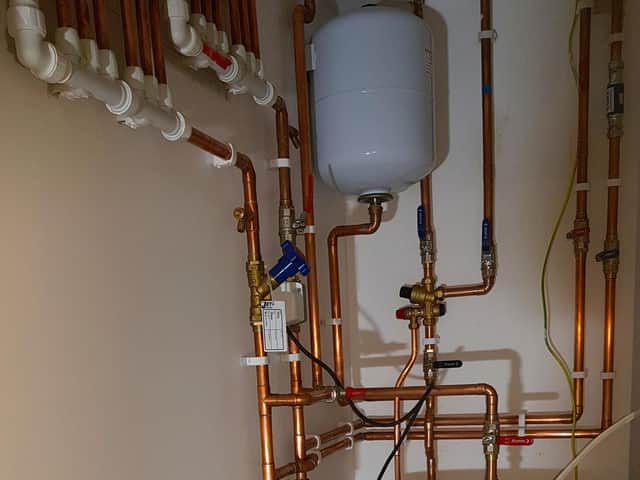
Supply pipes must be approved for potable water and able to withstand the relevant temperature, pressure, hard water and mechanical loads. Good-quality pipework can have a service life of 50 years or more when it is selected and installed correctly.
Fittings, valves and seals must be compatible with the chosen pipe. Fixtures such as sinks, toilets and baths should come from dependable manufacturers with usable warranty and spare-parts support.
Understand Supply and Drainage
The water-supply network carries cold and hot water to sinks, showers and appliances. Insulating those pipes limits heat loss and condensation.
The wastewater system carries used water to the public sewer or a septic tank. Correct pipe diameters, gradients and ventilation help prevent blockages, gurgling and sewer odours.
Install to the Design
Use experienced, appropriately authorised specialists and follow the technical drawings. A consistent installation is easier to test, understand and repair later.
Before walls and floors are closed, test the system for pressure and leak-tightness and remedy every defect. Photographs of concealed routes and a simple valve map are valuable records for future work.
Maintain the Small Things
Inspect visible pipes and joints for wear or corrosion, clean traps and drains before they block, and replace tired seals, valves or other components before a small fault becomes water damage.
Work to the Applicable Standard
In Romania, plumbing design, installation and operation must follow the relevant technical rules, including Norm I9-2022 where applicable. Current project requirements should always be confirmed by the responsible designer or installer.