Check the Boiler Before Demand Peaks
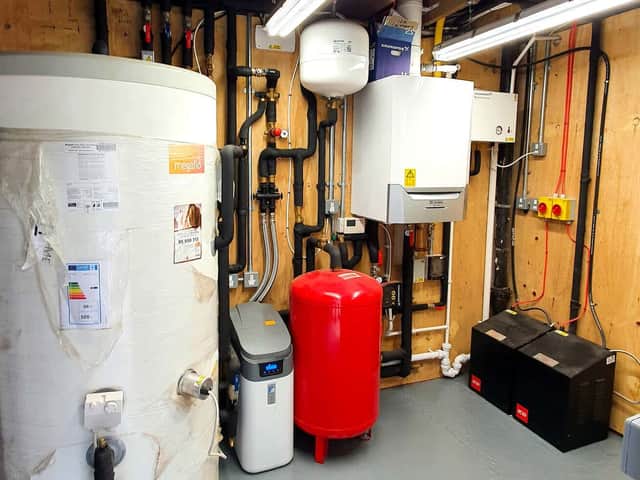
Clean and inspect the burner and heat exchanger, check visible pipework and connections for leaks or cracks, and run the boiler early enough to see whether it heats normally or reports an error.
Most sealed domestic systems operate around 1–2 bar when cold, but the correct range is the one in the appliance manual. If the boiler has not been professionally serviced within the recommended interval, book the work before winter.
Bleed the Radiators
Turn the heating off and allow it to cool. Open each bleed valve carefully until trapped air has escaped and a steady stream of water appears, then close it and recheck system pressure.
Removing trapped air helps radiators warm evenly and can reduce wasted energy. Persistent cold spots or dirty water may point to sludge that needs a proper system clean.
Protect Exposed Pipes and Equipment
Insulate pipework in basements, balconies and against outside walls. Drain unused external taps or lines, and protect outdoor pumps and tanks with suitable insulation so freezing water does not split components.
Test the Thermostat and Temperatures
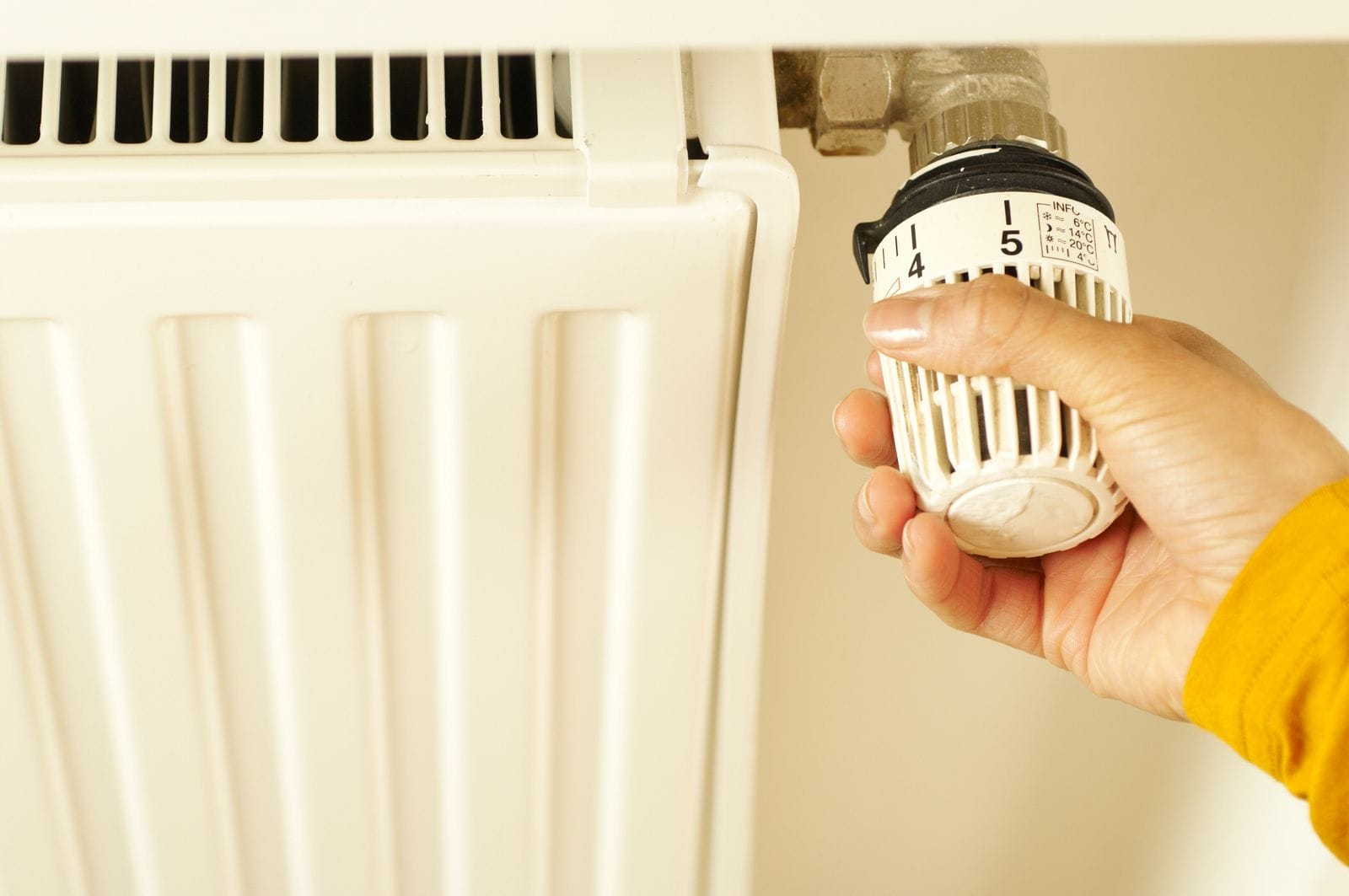
Replace thermostat batteries or recalibrate the control if it responds slowly or allows large swings. As a broad comfort guide, Pimlico suggests 20–22°C by day and 17–18°C at night, but the right setting depends on the occupants and building.
A programmable or smart thermostat can lower the temperature when heat is not needed and restore it before the household returns.
Keep Flues and Ventilation Clear
Gas and solid-fuel systems need a safe route for combustion gases. Check for debris or soot, keep ventilation grilles unobstructed, and arrange professional cleaning if the flue does not draw correctly. Never dismantle or modify a flue without the appropriate competence.
Listen to Pumps and Clean Filters
A circulation pump should start reliably and run without new grinding or rattling noises. Older inefficient pumps may be worth replacing after professional assessment.
Clean or replace heating-circuit and boiler-inlet filters at the recommended intervals. Where years of deposits have accumulated, a chemical clean can restore circulation more effectively than repeated bleeding.
Reduce Heat Loss
Seal avoidable draughts around doors and windows and insulate where practical. Curtains and rugs may help in some rooms, but do not cover active underfloor-heating areas with thick rugs or heavy furniture that blocks heat transfer.