Copper
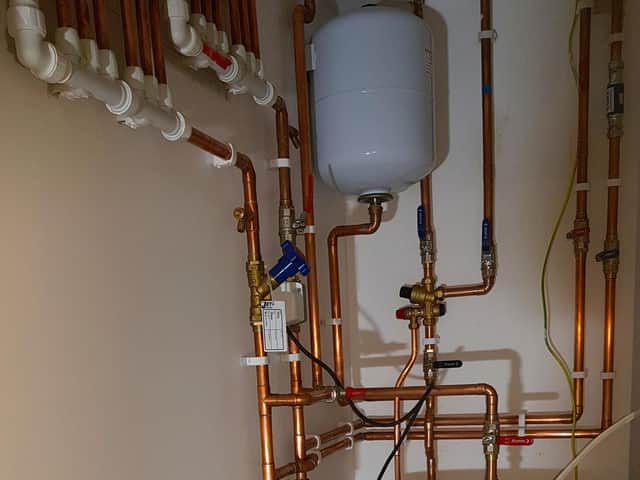
Copper can last around 50 years, tolerates high temperatures and is suitable for potable hot and cold water and heating. It is relatively expensive and its soldered or pressed joints require the right skill and tools.
PPR
Polypropylene pipe resists pressure, heat, corrosion and limescale and is less expensive than copper. Heat-fusion makes installation quick in trained hands, but it needs specialist equipment and should not be left exposed to ultraviolet light unless the product is rated for it.
PVC and HDPE
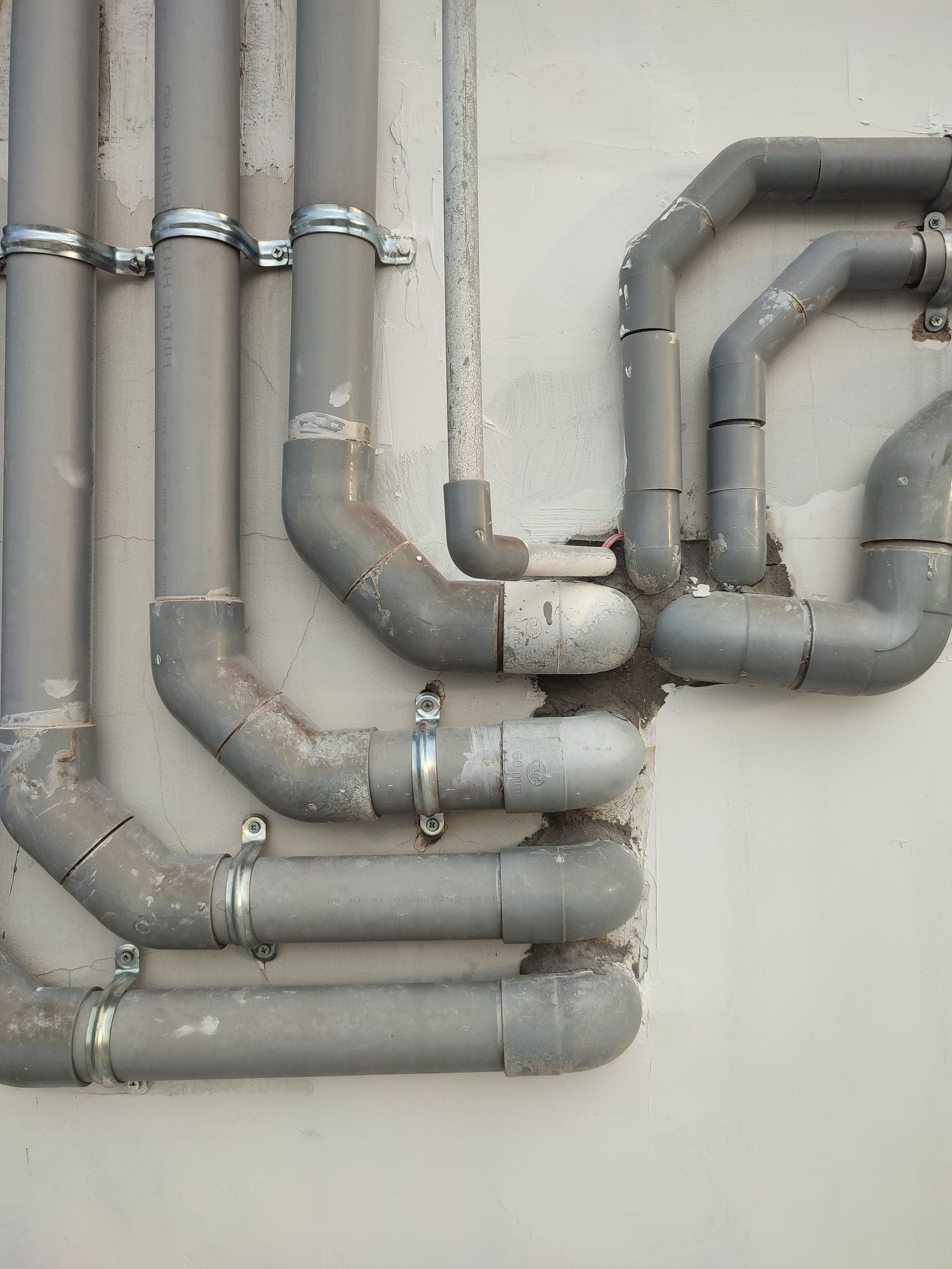
PVC is light, inexpensive and corrosion-resistant, making it useful for drainage, but standard PVC is not for hot water or high pressure.
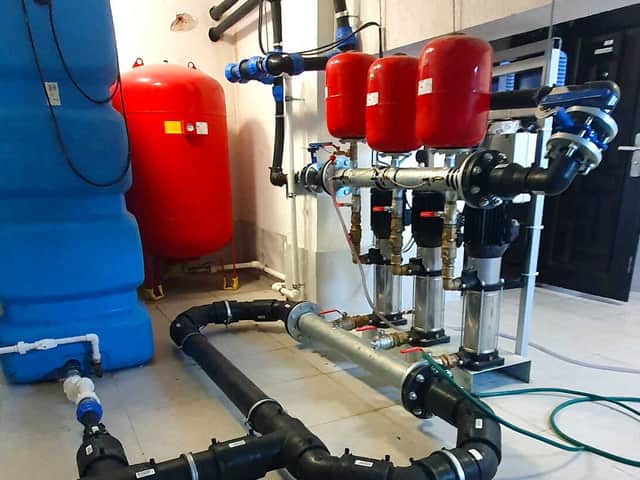
HDPE is flexible, resistant to frost and impact, and useful for buried cold-water supplies, irrigation and external networks. It needs compatible fittings and is not generally the choice for domestic hot-water distribution.
PEX
Cross-linked polyethylene is flexible, handles useful temperature and pressure ranges and resists scale, which makes it common in underfloor heating and hot-water distribution. It costs more than basic PPR or PVC and depends on the correct proprietary fittings and tools.
Choose for the Application
Match pipe to cold water, hot water, heating, drainage or an external network. Consider expected pressure, temperature, corrosion, freezing, mechanical loads, cost, availability and how the system will be installed and maintained.
Fittings, Valves and Insulation Matter
Brass fittings are durable across many applications; plastic fittings must match their pipe system exactly. Reliable valves make isolation easier, and pipe insulation limits heat loss, condensation and frost risk.
Avoid the Familiar Mistakes
Do not use a pipe outside its temperature or pressure rating, mix incompatible or low-quality fittings, ignore water pressure, or hide an untested joint. A good material installed badly is still a poor installation.