Efficient Taps and Showers
Aerators mix air into the stream and can cut tap consumption substantially without making the flow feel weak. Efficient shower heads commonly limit flow to roughly 6–9 litres per minute rather than 12–15, and sensor taps stop automatically when hands move away.
Dual-Flush Toilets
Traditional cisterns may use around 9–12 litres per flush. A dual control can offer a smaller 3–4 litre flush and a larger 6–9 litre flush; some existing cisterns can accept a conversion kit instead of full replacement.
Find and Repair Leaks
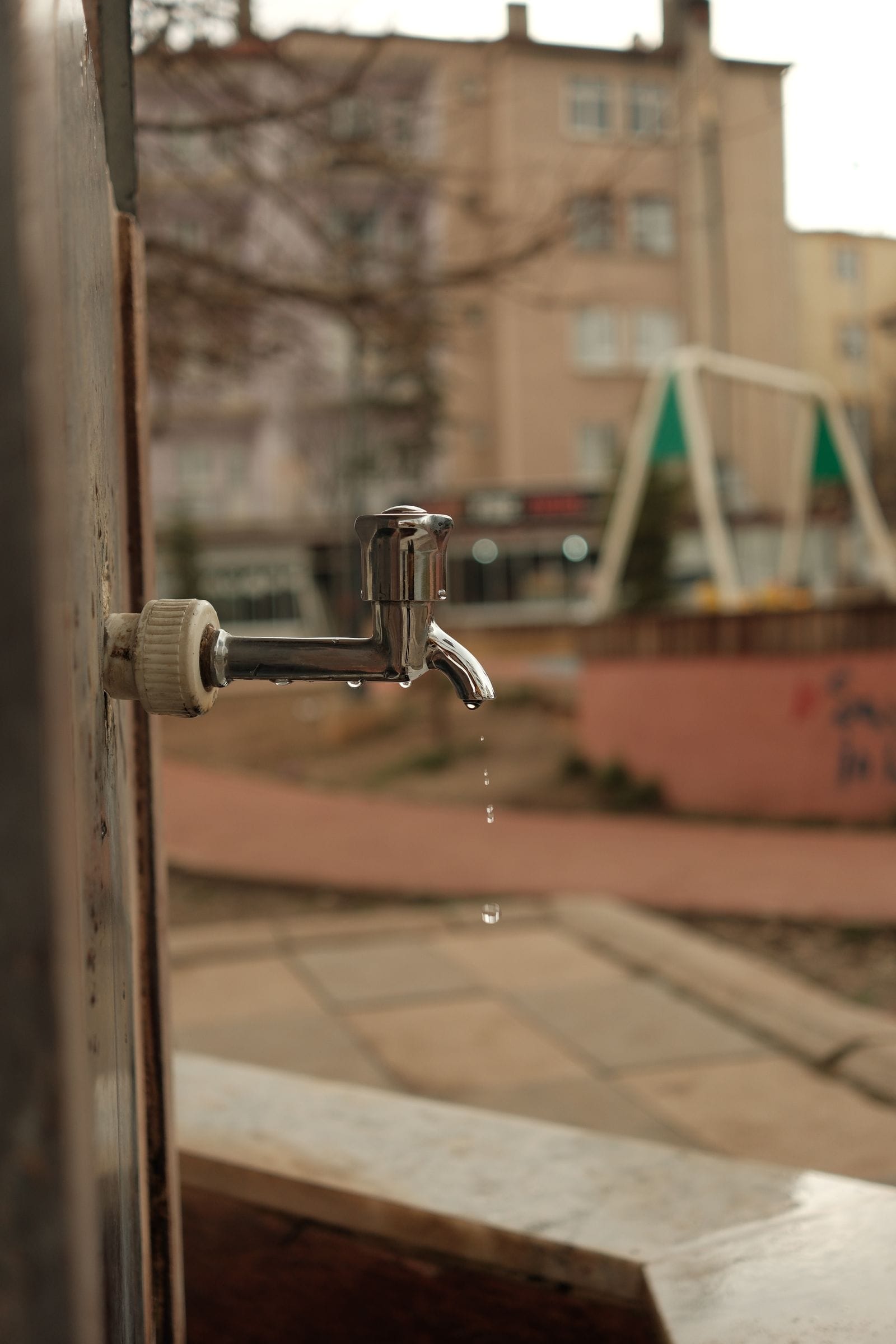
One dripping tap can waste thousands of litres a year. Look for damp marks around pipes and walls, and compare the water meter at night and in the morning when nothing should be using water. A change suggests a hidden leak worth investigating.
Use Efficient Appliances Well
Modern dishwashers may use about 6–10 litres per cycle compared with more than 40 litres for some hand-washing habits. Efficient washing machines can use roughly 40–50 litres rather than around 100 litres for older models. Run either appliance with a sensible full load.
Change the Easy Habits
Turn the tap off while brushing teeth, wash vegetables in a bowl, use a bucket rather than a continuously running hose, and reuse suitable rinse water on plants. Small repeated choices add up.
Harvest Rainwater
At a house, stored rain can water the garden, wash paths and — where a properly separated system is designed for it — supply toilet flushing. The installation must prevent any contamination of the potable-water network.
Irrigate to the Roots
Drip irrigation limits evaporation, soil-moisture sensors prevent unnecessary watering, and timers can schedule irrigation for the cool early morning or evening. Together these controls can substantially reduce garden water use.